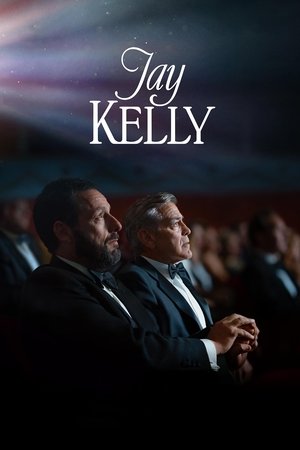
Jay Kelly (2025-11-14)
Drama | Comedy |
Overview
Directed By: Noah Baumbach
Star Cast: George Clooney , Adam Sandler , Laura Dern , Billy Crudup ,
Videos Playlist
Similar Collection


Images





























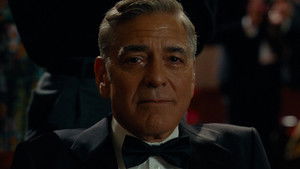

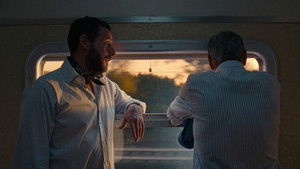




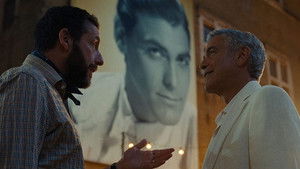
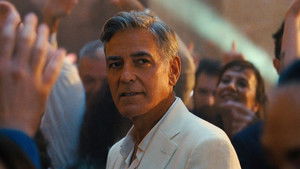




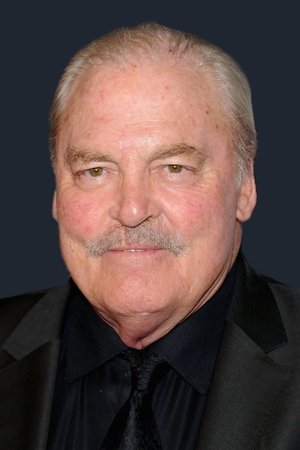
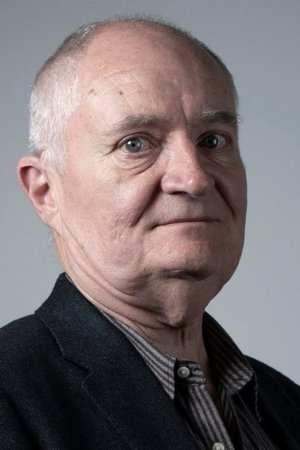
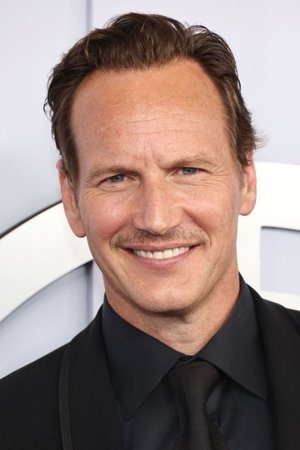

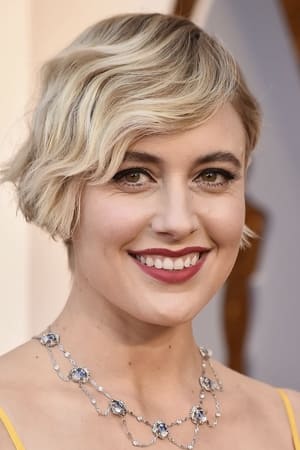






-
Manuel São Bento
FULL SPOILER-FREE REVIEW @ https://fandomwire.com/jay-kelly-review/ "Jay Kelly is a dense and unforgettable drama from Noah Baumbach, where George Clooney's inspired performance reaches a peak of vulnerability, giving life to a man trapped between professional success and personal emptiness. It's a thematically rich story about the tyranny of memory and the high cost of ambition, questioning whether success compensates for lost bonds. With directing, editing, cinematography, and score that transform dialogue into pure intimacy and organically link the past and present, the film is technically and emotionally superb, rejecting the convenient ending in favor of life's bittersweet truth. The only way forward is ahead, learning to love the story that, by choice, became our own." Rating: A
-
Brent Marchant
Those familiar with my writing are likely well aware that I have often said the cardinal sin in moviemaking is predictability (why see a film if you already know what’s going to happen?). On the heels of that belief, my second biggest cardinal sin in this field is a lack of originality (to a great degree because predictability often walks hand in hand with this shortcoming). And, unfortunately, those are the problems that sink this latest effort from writer-director Noah Baumbach. In a nutshell, this offering tells the story of its self-important title character (George Clooney), a successful but aging movie star who’s beginning to realize that his life has slipped away from him, leaving him with a pile of professional and personal regrets, many of which involved burning some significant bridges. Through a series of flashbacks (and a whole lot of vacuous hand wringing that’s quickly and easily dismissed), he sees – perhaps for the first time – how he’s squandered much of his time and alienated many kindreds, leaving him feeling fundamentally empty. (Now there’s a novel idea for a story – a pampered, self-absorbed LA celebrity who experiences a midlife (or, in this case, a late life) crisis and goes into meltdown mode to haplessly search for “meaning.”) But haven’t we already seen this storyline play out countless times before in other releases, such as “All That Jazz” (1979), “Stardust Memories” (1980) (and the film it’s based on, “8½” (1963)), “Bardo” (2022) and “Birdman” (2014), to name only a few. So what does “Jay Kelly” offer that’s new to this narrative? Frankly, nothing. And, to make matters worse, it doesn’t even traverse this well-worn ground very effectively (all of the aforementioned predecessors having done a much better job at this). There’s little to like about – or even empathize with – any of the characters in this story, leaving viewers to sigh a big “So what?” Even the protagonist is unengaging, coming across as an amalgamation of his (i.e., in essence, Clooney’s) on-screen personas. The effect of this is shamelessly self-congratulatory that essentially plays like a reel of the actor’s greatest hits, set against a backdrop of superficiality and relentlessly obtrusive product placement (again, so what?). In fact, the most interesting players in this production are the supporting characters, such as an old acting school colleague (Billy Crudup) and the director who gave Kelly his start (Jim Broadbent). Regrettably, though, these characters are relegated to comparatively small roles with little screen time. The supporting character who receives the lion’s share of such attention is Kelly’s manager (Adam Sandler), a wholly uninteresting, inconsequential cast member who could have been easily eliminated without losing a thing. In short, this whole affair is so shallow and so LA-clichéd that it’s difficult to care about any of it in the slightest, all the while trying to pass itself off as something sublimely profound. (Yawn.) Sadly, this vehicle is a waste of Clooney’s and Baumbach’s considerable talents. Both are better than what they’ve produced here. Indeed, if there’s genuine tragedy to be had in this effort, their derivative, uninspired creative output on this project would undoubtedly be it.
-
Marco-Hugo Landeta Vacas
(CASTELLANO) Hay algo profundamente triste en Jay Kelly, pero no una tristeza impostada ni solemne, sino de esas que se cuelan sin avisar. Desde el principio se percibe que no va de glamour ni de mitología hollywoodiense, sino de lo que queda cuando el foco se apaga y ya no sabes muy bien quién eres sin él. Es una película que avanza con calma, a ratos incluso con pudor, y que confía más en las miradas que en los subrayados. George Clooney está sorprendentemente desnudo aquí. No porque haga algo radicalmente distinto a lo que ha hecho otras veces, sino porque por primera vez parece aceptar el desgaste, la melancolía y cierta sensación de vacío sin intentar caer bien todo el tiempo. Es un trabajo contenido, muy afinado, que se apoya en silencios y pequeños gestos. Y lo más curioso es que, sin hacer ruido, termina siendo uno de sus papeles más honestos. Adam Sandler es la gran sorpresa. Alejado del histrionismo, compone un personaje frágil, cansado y mucho más complejo de lo que parece a simple vista. No roba escenas, no fuerza emociones, simplemente está ahí, acompañando, sosteniendo el tono. Incluso secundarios como Stacey Keach, tan lejos de sus roles más duros o icónicos, aportan una humanidad inesperada que suma mucho al conjunto. La película no es perfecta. En algunos momentos se recrea demasiado en su propio mundo y corre el riesgo de mirarse el ombligo. Hay escenas que podrían haberse acortado y alguna deriva que no termina de cuajar del todo. Aun así, cuando acierta —y lo hace a menudo— logra algo difícil: hablar del precio de la fama sin cinismo, sin crueldad y sin necesidad de dar lecciones. Jay Kelly es una tragicomedia crepuscular, emotiva y a ratos dolorosa, que funciona mejor cuando se permite ser pequeña. No es una película que grite, ni que busque aplausos fáciles. Es más bien una de esas historias que se quedan rondando después, como un recuerdo incómodo pero sincero. Y eso, hoy en día, ya es mucho. (ENGLISH) There’s something deeply sad about Jay Kelly, but not a forced or solemn sadness — it’s the kind that sneaks in quietly. From the very beginning, it’s clear this isn’t about glamour or Hollywood mythology, but about what’s left when the spotlight goes out and you’re no longer sure who you are without it. The film moves at an unhurried pace, sometimes almost shy, and trusts looks and silences more than emphasis. George Clooney feels surprisingly exposed here. Not because he does something radically different from before, but because for once he seems willing to accept weariness, melancholy, and a certain sense of emptiness without constantly trying to be likable. It’s a restrained, finely tuned performance built on pauses and small gestures, and without making any noise, it ends up being one of his most honest roles. Adam Sandler is the real surprise. Far from any histrionics, he plays a fragile, tired character who’s far more complex than he first appears. He doesn’t steal scenes or push emotions — he’s simply there, supporting the tone. Even supporting actors like Stacey Keach, so far removed from his tougher or more iconic roles, bring an unexpected humanity that adds a great deal. The film isn’t perfect. At times it lingers too long in its own world and risks becoming self-absorbed. Some scenes could have been tighter, and a few narrative detours don’t fully land. Still, when it works — and it often does — it achieves something difficult: talking about the cost of fame without cynicism, cruelty, or preaching. Jay Kelly is a crepuscular tragicomedy, emotional and occasionally painful, that works best when it allows itself to be small. It doesn’t shout or chase easy applause. It’s one of those films that quietly stays with you afterward, like an uncomfortable but honest memory. And these days, that already counts for a lot.